
 Image 1 of 1
Students from the NCCC FFA program will also be selling milkweed starts on Plant Sale Pick Up Day. NOT for pre-sale.
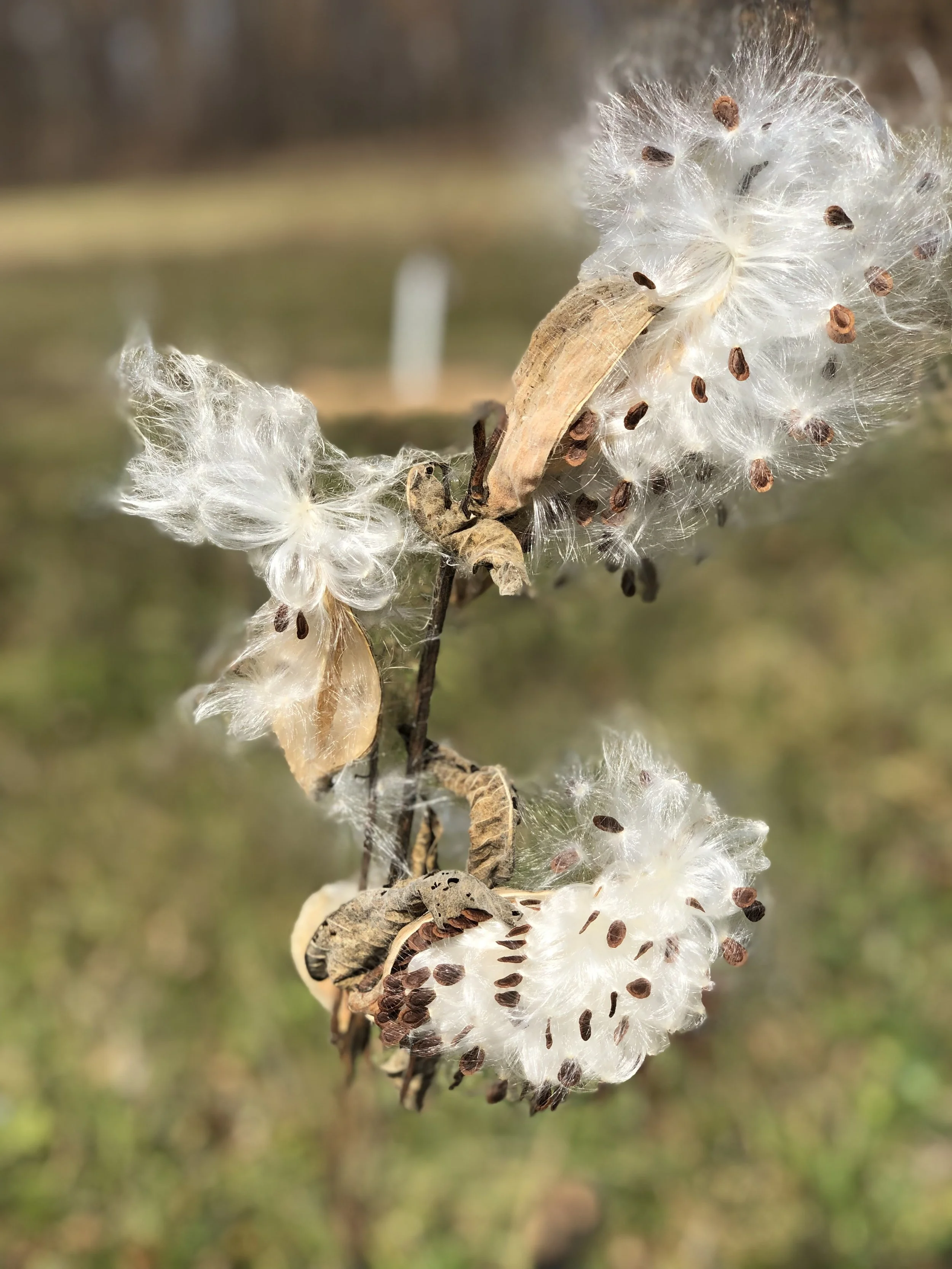
Common milkweed (asclepias syriaca) grows to 3–5’ with clusters of flowers that range from pink to white. It’s known for its importance as a host to monarch caterpillars (its leaves being an important food source and safe haven). Aside from attracting Monarch butterflies for egg-laying, milkweed entices swallowtails, painted ladies, American ladies, and red admirals. It does well in a range of habitats including grasslands, open woodlands, floodplains, and disturbed areas. Zones: 3-9
Swamp milkweed (asclepias incarnata) is the only milkweed species to thrive in wetlands, making it a great choice for planting in rain gardens. Swamp milkweed also attracts many pollinators. It has pinkish-purple flowers.
Students from the NCCC FFA program will also be selling milkweed starts on Plant Sale Pick Up Day. NOT for pre-sale.
Common milkweed (asclepias syriaca) grows to 3–5’ with clusters of flowers that range from pink to white. It’s known for its importance as a host to monarch caterpillars (its leaves being an important food source and safe haven). Aside from attracting Monarch butterflies for egg-laying, milkweed entices swallowtails, painted ladies, American ladies, and red admirals. It does well in a range of habitats including grasslands, open woodlands, floodplains, and disturbed areas. Zones: 3-9
Swamp milkweed (asclepias incarnata) is the only milkweed species to thrive in wetlands, making it a great choice for planting in rain gardens. Swamp milkweed also attracts many pollinators. It has pinkish-purple flowers.