
 Image 1 of 1
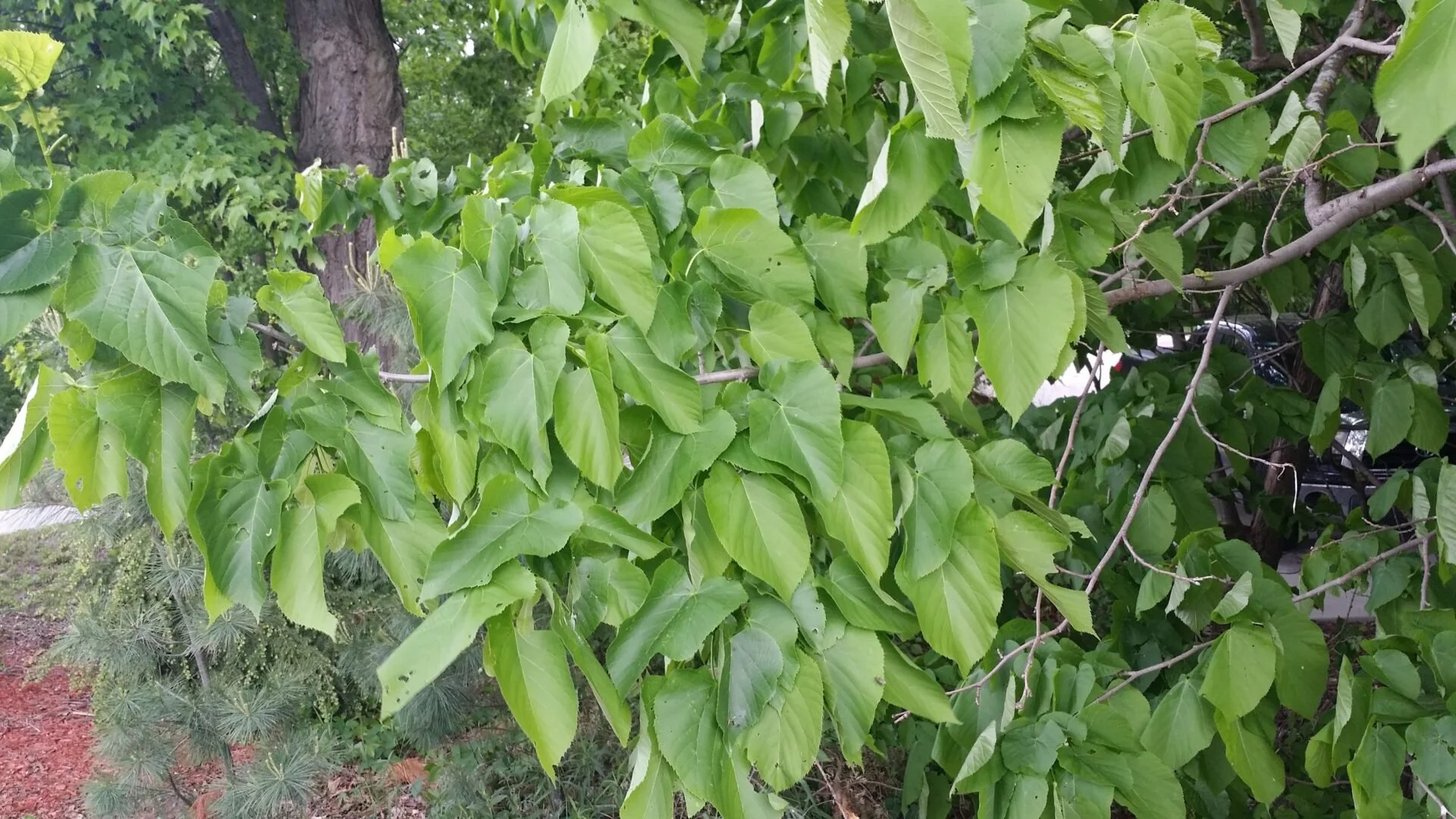
(2-3’ bareroot) Tilia americana. Also known as linden, the American basswood is a grand, statuesque tree, native to Vermont. It grows 60-120’ with a trunk diameter of 3–4’ at maturity. The crown is domed, the branches spreading and often pendulous. The flowers are very aromatic. Basswood is an important nectar source for honeybees, and the trunks often develop cavities, which become nesting sites for woodpeckers and other animals. The seeds are eaten by chipmunks, mice, and squirrels. The flowers, leaves, wood, and charcoal (obtained from the wood) are used for medicinal purposes. Linden tea has a pleasing taste, due to the aromatic volatile oil found in the flowers. It likes moist soil with a relatively high pH. It’s often planted on the windward side of an orchard as a protection to young and delicate trees. Zones: 3-9
(2-3’ bareroot) Tilia americana. Also known as linden, the American basswood is a grand, statuesque tree, native to Vermont. It grows 60-120’ with a trunk diameter of 3–4’ at maturity. The crown is domed, the branches spreading and often pendulous. The flowers are very aromatic. Basswood is an important nectar source for honeybees, and the trunks often develop cavities, which become nesting sites for woodpeckers and other animals. The seeds are eaten by chipmunks, mice, and squirrels. The flowers, leaves, wood, and charcoal (obtained from the wood) are used for medicinal purposes. Linden tea has a pleasing taste, due to the aromatic volatile oil found in the flowers. It likes moist soil with a relatively high pH. It’s often planted on the windward side of an orchard as a protection to young and delicate trees. Zones: 3-9